

News
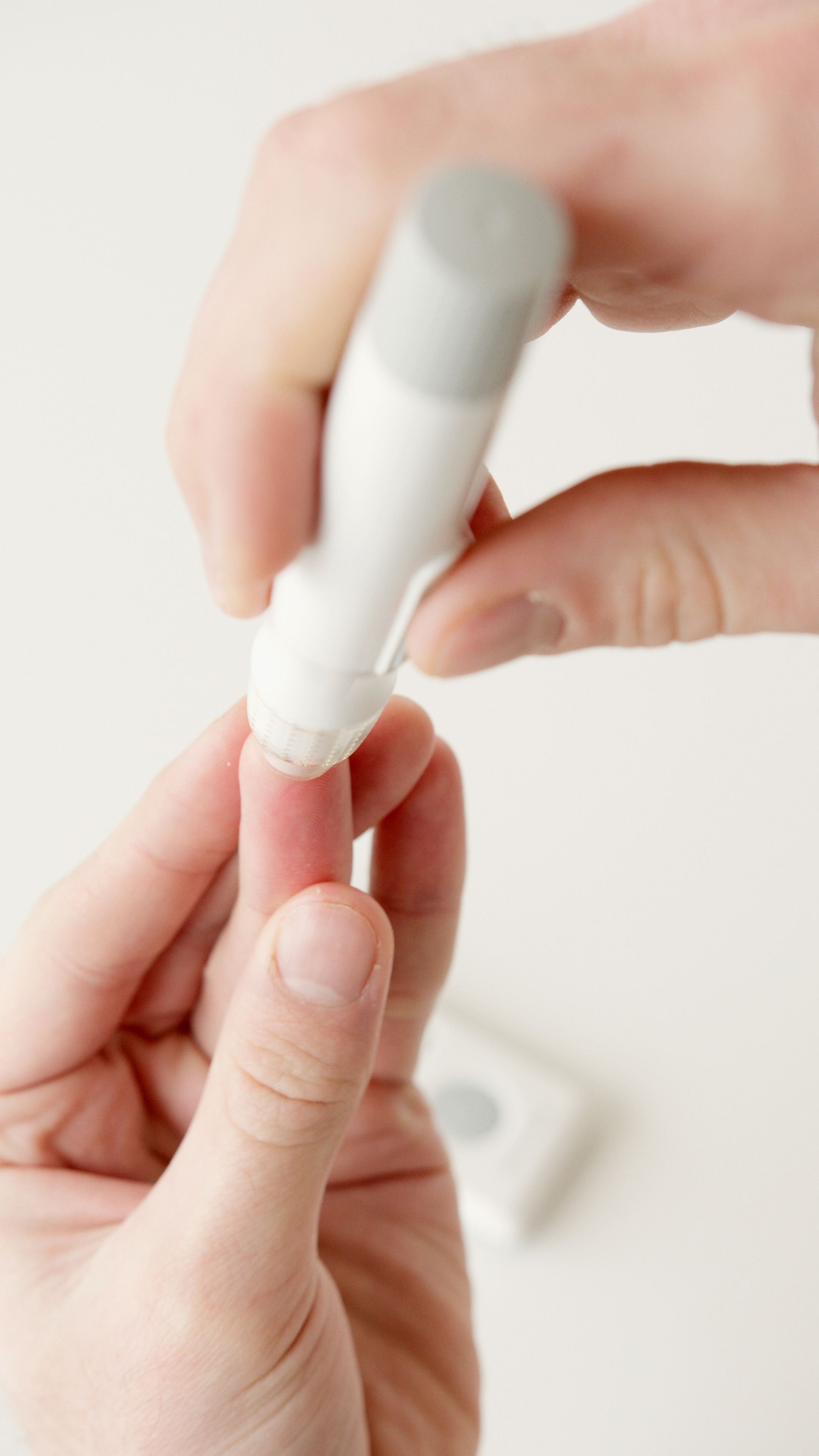

What Can a Blood Test Tell You About Your Health?
Discover what a private blood test can reveal about your health — from organ function and hormones to vitamins, inflammation, and diabetes risk. Explained by the Nuvivo Health clinical team.
Learn more
Understanding Your Blood Test Results. We Explain Them.
Learn how to understand your blood test results with Nuvivo Health. We explain reference ranges, what can affect your results, and when to seek advice.
Learn morePRP Treatment in Livingston | Skin Rejuvenation & Hair Restoration at Nuvivo Health
Published by Nuvivo Health | Medical Skin Clinic, Livingston, West Lothian What if the most powerful ingredient for healthier, younger-looking skin was already inside you? At Nuvivo Health Medical Skin Clinic in Livingston, we offer advanced regenerative treatments — with Platelet-Rich Plasma (PRP) therapy at the heart of what we do. Whether you’re looking to restore a youthful glow, address hair thinning, or invest in your skin’s long-term health, PRP is one of the most clinically grounded, natural approaches available in Scotland today. If you’re searching for PRP treatment in Livingston or West Lothian, here’s everything you need to know. What Is PRP Treatment — and How Does It Work? PRP (Platelet-Rich Plasma) is a regenerative medical treatment that uses your own blood to stimulate your body’s natural healing and collagen production processes. A sample of your blood is drawn, processed in a centrifuge to concentrate the platelets, and then reintroduced into targeted areas of the skin or scalp. Platelets are the components in your blood responsible for healing. They carry powerful growth factors — proteins that signal your body to repair tissue, produce collagen, and regenerate cells. By concentrating and delivering these growth factors precisely where they’re needed, PRP kickstarts your skin’s own repair mechanisms in a way that is entirely natural. No synthetic fillers. No foreign substances. Just your body, working smarter.PRP has been used in medicine for decades — originally in orthopaedics and wound care — and is now one of the most sought-after treatments in aesthetic and regenerative medicine across the UK. PRP Facial Rejuvenation in Livingston | From £200 Our PRP Facial Rejuvenation treatment is one of the most popular skin treatments we offer, and for good reason. It’s suitable for anyone noticing the early signs of ageing, persistent dullness, or skin that simply doesn’t bounce back the way it used to. What Does PRP Skin Treatment Address? • Fine lines and wrinkles • Uneven skin texture and tone • Dull, tired, or lacklustre skin • Mild acne scarring • Loss of skin hydration and elasticity How Is PRP Applied to the Skin? At Nuvivo Health, PRP is applied using either medical-grade microneedling — which creates microscopic channels in the skin to maximise absorption of growth factors — or targeted micro-injections that deliver the plasma precisely where your skin needs it most. The results build gradually as collagen production increases, typically revealing improvements in tone, firmness, and radiance over the weeks following each session. Treatment time: Approximately 60–90 minutes Recommended course: 3 sessions spaced 4–6 weeks apart Maintenance: Every 6–12 months Price: From £200 PRP Hair Restoration in Livingston | From £250 Hair thinning affects millions of men and women across the UK — and it’s often something people suffer with in silence. Our PRP Hair Restoration treatment offers a clinically grounded, non-surgical approach to supporting natural hair growth and improving scalp health. How Does PRP Help with Hair Loss? When PRP is injected into areas of thinning on the scalp, the concentrated growth factors work to stimulate dormant hair follicles, improve circulation at the scalp level, and create a more favourable environment for new hair growth. It’s particularly effective for those in the earlier stages of hair loss, where follicles are weakened rather than gone. Who Is PRP Hair Treatment Suitable For? • Men and women experiencing early-stage hair thinning • Male or female pattern hair loss • Reduced hair density and volume • Hair shedding or weakened follicles What’s Included in Your PRP Hair Treatment at Nuvivo? • Clinical consultation • Blood sample collection • Medical PRP preparation • PRP scalp injections to targeted areas • Full aftercare guidance Treatment time: Approximately 60–90 minutes Recommended course: 3 sessions spaced 4–6 weeks apart Maintenance: Every 6–12 months depending on response Price: From £300 PRP vs PRF — What’s the Difference? A question we’re often asked at our Livingston skin clinic is: what’s the difference between PRP and PRF? PRF (Platelet-Rich Fibrin) is the next generation of PRP therapy and represents a significant step forward in regenerative aesthetics. While both treatments are derived entirely from your own blood, PRF is processed without anticoagulants and spun at a lower centrifuge speed. This preserves a higher concentration of platelets, white blood cells, and stem cells within a fibrin matrix — a natural scaffold that releases growth factors slowly over time, producing a more sustained regenerative effect than standard PRP. PRF contains absolutely no additives, making it one of the most natural regenerative treatments available in aesthetic medicine today. What to Expect at Your PRP Appointment at Nuvivo Health, Livingston Every PRP treatment at our clinic follows a clear, medically led process: 1. Clinical Consultation — we review your concerns, skin or scalp health, medical history, and suitability for treatment 2. Blood Draw — a sample of your blood is taken, typically from the arm 3. PRP Preparation — your blood is placed in a centrifuge to separate and concentrate the platelet-rich plasma 4. Treatment — PRP is applied via microneedling or injection to the target area 5. Aftercare Guidance — you leave with a clear aftercare plan to protect your results Because the treatment uses your own blood, the risk of allergic reaction or rejection is extremely low compared to treatments using synthetic substances. Most clients experience minimal downtime. Why Choose Nuvivo Health Skin Clinic in Livingston? We’re a regulated private healthcare provider, registered with Healthcare Improvement Scotland, with a medical-first approach to everything we do. Choosing Nuvivo means: • Medical-grade treatments — not beauty salon aesthetics • Qualified healthcare professionals at every appointment • Strict clinical standards at our Livingston facility • Individual consultations before every treatment • Broader health expertise — our skin clinic sits alongside private blood testing, sports therapy, and diagnostic imaging We believe great skin and good health are deeply connected. Our clinic is built to reflect that. Frequently Asked Questions About PRP Treatment in Livingston Is PRP treatment safe? Yes. Because PRP uses your own blood, the risk of adverse reaction is very low. All treatments at Nuvivo Health are carried out by qualified professionals in a regulated clinical environment. How many PRP sessions will I need? Most clients benefit from a course of 3 treatments spaced 4–6 weeks apart, followed by maintenance sessions every 6–12 months.Is PRP treatment painful?Most clients find PRP well tolerated. A topical anaesthetic can be applied before microneedling to minimise discomfort. When will I see results from PRP? Results develop gradually as your skin produces new collagen. Many clients notice improvements in texture and radiance within 4–6 weeks of their first session, with continued improvement after subsequent treatments. Can PRP be combined with other treatments? Yes. PRP works well alongside other regenerative or aesthetic treatments. Your clinician will advise on the best combination approach during your consultation. Book Your PRP Consultation in Livingston Today If you’re ready to explore what PRP treatment in Livingston could do for your skin or hair, the next step is a consultation with our clinical team. We’ll assess your suitability, answer your questions, and build a personalised treatment plan around your goals. Visit us at nuvivo.co.uk to book — or find us at Carmondean Centre, Livingston, EH54 8PT.
Learn morePRP Hair Treatment in Edinburgh, Livingston & West Lothian: Natural Hair Restoration with PRP & PRF
Hair thinning and hair loss affect millions of people across the UK, with many looking for treatments that support natural hair restoration without surgery. PRP and PRF hair treatments have become increasingly popular for individuals experiencing early hair thinning, reduced hair density, or weakening hair growth. At Nuvivo Health, we provide professional PRP and PRF hair restoration treatments for patients across Edinburgh, Livingston, West Lothian and Midlothian. Our regenerative treatments are designed to support natural hair restoration using your body’s own healing factors. What Is PRP Hair Treatment? PRP stands for Platelet-Rich Plasma. The treatment involves taking a small blood sample and processing it to concentrate platelets and growth factors before carefully injecting them into targeted areas of the scalp. These growth factors may help support: Hair follicle stimulation Scalp circulation Hair thickness Hair quality Reduced hair shedding PRP is commonly used for: Male pattern hair loss Female hair thinning Early-stage hair loss General hair density improvement What Is PRF Hair Treatment? PRF stands for Platelet-Rich Fibrin. PRF is considered a more advanced regenerative version of PRP and is becoming increasingly popular in hair restoration treatments. Unlike PRP, PRF is processed at lower centrifuge speeds without anticoagulants, helping preserve: White blood cells Stem cells Fibrin Growth factors This allows growth factors to be released more gradually over time. Many patients searching for PRF hair treatment in Edinburgh or West Lothian are specifically looking for a more natural regenerative approach to hair restoration. PRP Hair Treatment in Edinburgh Patients across Edinburgh are increasingly choosing PRP and PRF treatments as a non-surgical option for hair restoration. PRP hair treatment is particularly popular among: Men noticing early hairline recession Women experiencing hair thinning Patients wanting preventative treatment Individuals looking to improve overall hair density At Nuvivo Health, treatments are performed in a professional medical environment with patient suitability and long-term goals in mind. PRP Hair Treatment in Livingston & West Lothian We also provide PRP and PRF hair treatments for patients across Livingston and wider West Lothian. Many local patients search for: PRP hair treatment Livingston Hair loss treatment West Lothian PRF hair restoration near me Natural hair restoration Scotland PRP and PRF treatments are increasingly chosen by patients looking for minimally invasive alternatives before considering surgical procedures. PRP Hair Treatment in Midlothian Patients from across Midlothian also travel to Nuvivo Health for regenerative hair restoration treatments. The popularity of regenerative medicine treatments continues to grow as more people seek natural approaches to hair restoration and scalp health. Does PRP for Hair Loss Actually Work? PRP and PRF treatments are widely used within regenerative medicine and aesthetic practice for hair restoration. While individual results vary, many patients choose treatment to support: Stronger hair growth Reduced shedding Improved hair quality Better scalp condition Hair density maintenance Results usually develop gradually over time and often require a course of sessions. How Many PRP Hair Sessions Are Needed? Most patients require multiple sessions. A typical starting plan may include: 3 initial treatments Sessions spaced several weeks apart Ongoing maintenance sessions The exact number depends on: Hair loss severity Treatment goals Individual response Scalp condition PRP vs Hair Transplant Many patients consider PRP or PRF before exploring surgical hair transplant procedures. PRP and PRF are non-surgical regenerative treatments designed to support existing hair follicles and scalp health. These treatments are often chosen by patients who: Want early intervention Are not ready for surgery Want to support transplant results Prefer natural regenerative approaches Why Patients Choose Nuvivo Health Patients across Edinburgh, Livingston, West Lothian and Midlothian choose Nuvivo Health because we provide: Professional regenerative treatments PRP and PRF options Medical-led environment Personalised treatment planning Focus on natural restoration Convenient local access Our approach focuses on regenerative medicine rather than temporary cosmetic solutions. Book a PRP or PRF Hair Consultation If you are looking for PRP hair treatment in Edinburgh, Livingston, West Lothian or Midlothian, Nuvivo Health offers professional regenerative hair restoration treatments designed around your individual goals. Contact us today to learn more about PRP and PRF hair restoration options.
Learn morePrivate Blood Tests in the UK: Fast, Doctor-Reviewed Health Checks
If you have been searching for a private blood test, you are not alone. More people across the UK are now taking a proactive approach to their health by booking blood tests before symptoms become serious. Whether you are struggling with fatigue, weight changes, hormone issues, poor recovery, brain fog, or simply want peace of mind, blood testing can provide valuable insight into what is happening inside your body. At Nuvivo Health, we provide fast, doctor-reviewed private blood tests with nationwide coverage, home visit options, and clear medical reporting designed to help you understand your health properly. Why Are So Many People Searching for Private Blood Tests? The demand for private blood testing in the UK has grown rapidly in recent years. Many common health issues develop gradually and may not cause obvious symptoms at first. Problems such as high cholesterol, thyroid dysfunction, vitamin deficiencies, low testosterone, insulin resistance, and hormonal imbalances can often go unnoticed for months or even years. A blood test can help detect these issues early. People commonly book a private blood test because they are experiencing: Constant tiredness Brain fog Low energy Hair thinning Poor sleep Anxiety Low libido Weight gain Poor gym performance Hormonal symptoms Mood changes Difficulty recovering from exercise Others simply want reassurance that everything is functioning properly. What Does a Blood Test Check? Modern blood testing can assess multiple areas of your health from a single sample. Depending on the panel selected, a private blood test may help assess: Cholesterol levels Heart health markers Diabetes risk Liver function Kidney function Thyroid health Testosterone levels Female hormones Vitamin deficiencies Iron levels Inflammation markers Full blood count Nutritional health At Nuvivo Health, all results are reviewed by qualified doctors and presented in an easy-to-understand format with clear commentary. Private Blood Tests vs NHS Blood Tests NHS blood testing is essential for diagnosing medical conditions, but many patients choose private blood testing because it offers greater flexibility, faster access, and more preventative screening options. Private blood testing may provide: Faster appointments More comprehensive panels Preventative health testing Home blood testing options Doctor-reviewed reports Wider hormone testing Performance and wellness testing Convenient nationwide access Many people use private blood tests to monitor their health proactively instead of waiting until symptoms become severe. Blood Test Near Me One of the most common online searches is:“Private blood test near me” Nuvivo Health offers flexible testing options across the UK, including: In-clinic appointments Partner clinic locations nationwide At-home blood test kits Mobile nurse home visits This allows patients to access high-quality testing in the way that suits them best. Full Body MOT Blood Test One of the most popular options at Nuvivo Health is the Full Body MOT blood test. Rather than checking a single issue, this advanced health screen assesses multiple areas of the body together to provide a broader overview of your health. A Full Body MOT may include markers related to: Heart health Cholesterol Diabetes Liver function Kidney function Hormones Thyroid health Vitamins Inflammation Full blood count This type of testing is particularly popular with: Busy professionals Men over 30 Women monitoring hormonal health Gym members and athletes People focused on longevity and preventative health How Long Do Blood Test Results Take? One of the biggest advantages of private blood testing is speed. At Nuvivo Health, most results are typically available within approximately 4 working days from the time the laboratory receives the sample. Doctor-reviewed reports are designed to help patients understand their results clearly rather than being left trying to interpret complex medical ranges alone. Are Private Blood Tests Worth It? For many people, blood testing provides reassurance, clarity, and early detection of potential problems. Identifying issues early may help improve: Energy levels Hormonal balance Performance Recovery Long-term health outcomes Preventative care planning Many patients discover abnormalities despite feeling relatively well, which is why preventative health screening is becoming increasingly popular. Why Choose Nuvivo Health? At Nuvivo Health, we focus on making blood testing simple, fast, and accessible. Patients choose Nuvivo Health because we offer: Doctor-reviewed results UKAS-accredited laboratory testing Nationwide clinic access Home nurse visits At-home testing options Clear written reports Fast turnaround times Professional and discreet service Our goal is to help patients take control of their health with testing that is easy to access and easy to understand. Book a Private Blood Test Today Whether you are looking for a simple health check or a comprehensive Full Body MOT, private blood testing can provide valuable insight into your health before symptoms become more serious. Explore the full range of private blood tests at: Nuvivo Health Take control of your health with fast, doctor-reviewed blood testing available across the UK.
Learn moreWhy Your Health MOT Matters
A full body blood test, often referred to as a Health MOT, is designed to provide a comprehensive assessment of your internal health. Rather than investigating a single symptom or condition, it evaluates multiple biological systems simultaneously, offering a broad and structured overview of how your body is functioning. In clinical practice, many conditions develop gradually and without obvious symptoms in their early stages. Blood testing allows these changes to be detected earlier, supporting more informed decisions around lifestyle, monitoring, and further investigation where appropriate. This guide outlines the key components of a comprehensive blood test and explains what each group of markers may indicate. Full Blood Count and Haematological Health A Full Blood Count is a foundational component of any comprehensive blood test. It evaluates the cells circulating in your blood and provides insight into both oxygen transport and immune function. Markers typically included: Red blood cells Haemoglobin White blood cells Platelets Differential counts (neutrophils, lymphocytes, monocytes, eosinophils, basophils) Clinical relevance:These markers help identify a range of conditions including anaemia, infection, inflammation, and abnormalities in immune response. Changes in these values may also reflect nutritional deficiencies or underlying medical conditions requiring further evaluation. Liver Function and Metabolic Processing The liver is central to metabolic regulation, detoxification, and protein synthesis. Liver function tests assess enzyme levels and proteins produced by the liver. Markers typically included: Alanine aminotransferase (ALT) Aspartate aminotransferase (AST) Alkaline phosphatase (ALP) Gamma-glutamyl transferase (GGT) Bilirubin Albumin Clinical relevance:Elevated liver enzymes may indicate inflammation or cellular injury, while protein levels such as albumin provide information about synthetic function. These markers are commonly used to assess liver health, medication effects, and metabolic stress. Kidney Function and Electrolyte Balance Kidney function tests evaluate how effectively the body is filtering waste and maintaining fluid and electrolyte balance. Markers typically included: Creatinine Estimated glomerular filtration rate (eGFR) Urea Sodium Potassium Chloride Clinical relevance:These markers help assess kidney efficiency and hydration status. Electrolytes are essential for nerve signaling, muscle function, and cardiovascular stability. Abnormalities may indicate impaired kidney function, dehydration, or metabolic imbalance. Cardiovascular Risk and Lipid Profile Assessment of cardiovascular health is typically performed through a lipid profile, which measures different types of cholesterol and fats in the blood. Markers typically included: Total cholesterol High-density lipoprotein (HDL) Low-density lipoprotein (LDL) Triglycerides Clinical relevance:These markers are used to estimate the risk of cardiovascular disease. Elevated LDL or triglycerides, or reduced HDL, may contribute to the development of atherosclerosis over time, often without early symptoms. Glucose Regulation and Metabolic Health Markers of glucose metabolism provide insight into how the body regulates blood sugar levels. Markers typically included: Glucose Glycated haemoglobin (HbA1c) Clinical relevance:HbA1c reflects average blood glucose levels over several weeks, while fasting glucose provides a current measurement. These markers are used to identify impaired glucose tolerance, pre-diabetes, and diabetes. Iron Status and Oxygen Transport Iron is essential for haemoglobin production and oxygen transport throughout the body. Markers typically included: Ferritin Additional iron markers where included Clinical relevance:Low iron stores may lead to anaemia, fatigue, and reduced physical performance. Elevated levels may require further investigation. Ferritin is particularly useful as it reflects stored iron rather than circulating levels alone. Vitamins and Nutritional Markers Assessment of key vitamins helps evaluate nutritional status and its impact on physiological function. Markers typically included: Vitamin D Vitamin B12 Folate Clinical relevance:Deficiencies in these nutrients can affect neurological function, energy metabolism, immune response, and bone health. Vitamin D, in particular, is commonly low in the UK population and plays a role in multiple systems. Hormonal Profile and Endocrine Function Hormonal markers provide insight into endocrine balance and its effect on metabolism, mood, and physical performance. Markers typically included: Testosterone Sex hormone binding globulin (SHBG) Calculated free testosterone Oestradiol (where included) Clinical relevance:Hormonal imbalances may contribute to symptoms such as fatigue, reduced performance, changes in body composition, and mood disturbance. Interpretation should consider clinical context and, where appropriate, further assessment. Inflammation and Systemic Response Markers of inflammation help identify underlying physiological stress or immune activation. Markers typically included: C-reactive protein (CRP) Additional inflammatory markers where included Clinical relevance:CRP is a non-specific marker of inflammation. Elevated levels may be associated with infection, chronic disease, or other inflammatory processes. It is often interpreted alongside other clinical findings. Conclusion A full body blood test provides a structured and clinically useful overview of multiple systems within the body. By combining markers relating to blood health, organ function, metabolism, nutrition, and hormones, it enables a more comprehensive understanding of overall health. While results must always be interpreted in context, this type of testing can support early detection, ongoing monitoring, and more informed health decisions. Further Information If you are considering a comprehensive assessment, the Ultimate Health MOT provides a broad panel of clinically relevant markers with results reviewed prior to release. View the full test here:https://nuvivo.co.uk/products/ultimate-health-mot-panel
Learn moreTestosterone Blood Test in Edinburgh and Livingston
Testosterone is an important hormone that plays a role in muscle development, energy levels and reproductive health. A testosterone blood test measures the amount of testosterone circulating in the bloodstream. Men living in Edinburgh, Livingston and across West Lothian sometimes choose hormone testing to monitor testosterone levels as part of men’s health screening. What Testosterone Testing Measures A testosterone blood test typically measures total testosterone and may also assess related hormones such as SHBG or free testosterone. Healthcare professionals interpret hormone levels using laboratory reference ranges. Testosterone and Hormonal Health Testosterone levels may vary depending on age, lifestyle and overall health. Healthcare professionals consider multiple factors when interpreting hormone test results. Important Information Hormone test results should always be interpreted by a qualified healthcare professional.
Learn moreBlood Tests for Fatigue in Edinburgh and West Lothian
Feeling tired for long periods of time can have many different causes. Healthcare professionals sometimes investigate fatigue using blood tests that measure important biomarkers. Individuals in Edinburgh, Livingston and across West Lothian may choose blood testing when discussing persistent fatigue with healthcare professionals. Blood Markers Often Reviewed Healthcare professionals may review several biomarkers when assessing fatigue including: Ferritin (iron stores)Vitamin B12Vitamin DThyroid hormonesFull blood count markers These tests may help healthcare professionals better understand potential factors affecting energy levels. Fatigue and Lifestyle Factors Fatigue may also be influenced by sleep patterns, nutrition, stress levels and physical activity. Blood testing is only one part of a broader clinical assessment. Important Information Persistent fatigue should be discussed with a qualified healthcare professional who can assess symptoms alongside test results.
Learn morePSA Blood Test in Edinburgh and Livingston
A PSA blood test measures prostate specific antigen, a protein produced by cells in the prostate gland. PSA testing is commonly used in clinical practice to help assess prostate health and monitor prostate conditions. Men living in Edinburgh, Livingston and across West Lothian sometimes choose PSA testing as part of prostate health monitoring or general health screening. What PSA Testing Measures PSA is produced by the prostate gland and small amounts of this protein circulate naturally in the bloodstream. A blood test can measure PSA levels and provide information that healthcare professionals may use when evaluating prostate health. PSA results are measured in nanograms per millilitre (ng/mL). Why PSA Tests Are Used Healthcare professionals may use PSA testing in situations such as: Monitoring prostate healthInvestigating urinary symptomsAssessing prostate activity over time PSA levels may vary between individuals and must always be interpreted in clinical context. PSA Testing in Edinburgh and West Lothian Men living in Edinburgh, Livingston and across West Lothian may discuss PSA testing with healthcare professionals if they are interested in prostate health screening. Healthcare professionals evaluate PSA levels alongside other factors such as age, symptoms and medical history. Important Information PSA testing alone cannot diagnose prostate cancer. PSA results should always be interpreted by a qualified healthcare professional.
Learn more